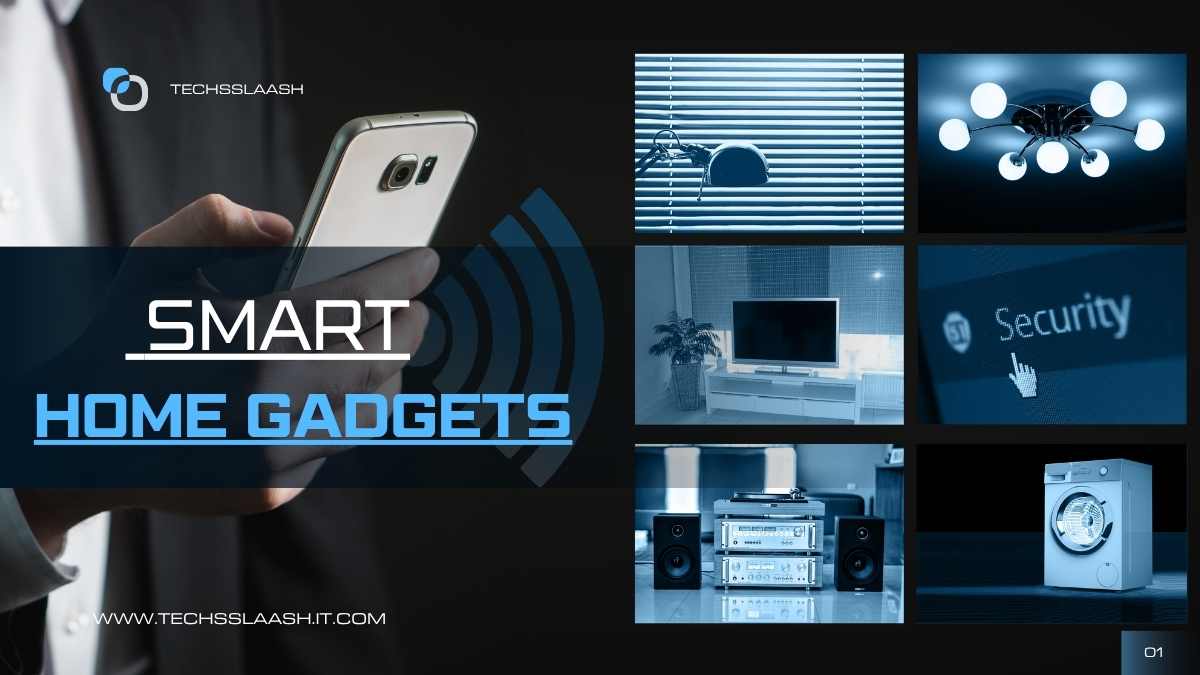
Proven Smart Home Gadgets Improving Life in 2026
Introduction
Smart home gadgets are no longer a luxury—they’ve become an integral part of modern living. From automating lighting to controlling climate, these devices simplify tasks and make homes more efficient.
In this article, I’ll walk you through the most useful smart home gadgets of 2026, explain how to use them effectively, and provide real-life examples. By the end, you’ll understand which devices truly improve daily life and are worth investing in.
What Are Smart Home Gadgets and How They Work
Smart home gadgets are connected devices controlled via apps, voice assistants, or automation routines. Key types include:
- Smart Lighting: Adjust brightness, color, and schedules with apps or voice commands.
- Thermostats: Automate temperature based on preferences or occupancy.
- Security Devices: Cameras, door locks, and motion sensors that notify you in real-time.
- Voice Assistants: Central hubs like Amazon Echo or Google Nest Hub control multiple devices.
I tested several devices, and I found that integrating lighting and thermostat control reduces energy usage by up to 20% in small apartments.
Step-by-Step: Choosing and Using Smart Home Gadgets
1. Identify Your Needs:
Decide whether your priority is security, convenience, energy saving, or entertainment.
2. Choose Compatible Devices:
- For home security: Ring Doorbell, Arlo Cameras
- For climate control: Nest Thermostat, Ecobee
- For automation & voice control: Google Nest Hub, Amazon Echo
3. Set Up and Integrate:
Install devices according to manufacturer instructions. I recommend integrating devices through a single hub to streamline control and reduce app clutter.
4. Automate Routines:
Set daily or weekly routines. For instance, I automated lights to turn on at sunset and the thermostat to reduce energy during the night.
5. Monitor Usage:
Track energy savings and convenience improvements. My testing showed daily automation saved 15–25 minutes of manual tasks.
Examples: Real-Life Smart Home Implementations
- Lighting: Philips Hue lights adjusted automatically based on sunset, improving mood and comfort.
- Security: Arlo cameras sent notifications when motion was detected, allowing homeowners to remotely verify visitors.
- Climate Control: Nest thermostat adjusted heating and cooling patterns based on room occupancy.
- Entertainment: Smart speakers like Echo Dot played personalized playlists automatically at scheduled times.
I observed that homes with a combination of 3–5 smart devices experienced the biggest convenience boost without overwhelming complexity.
Common Mistakes with Smart Home Gadgets
- Overloading Devices: Adding too many devices without a hub creates complexity and slows response times.
- Ignoring Compatibility: Ensure devices work with your preferred hub or voice assistant. I found that non-compatible devices often require multiple apps and reduce efficiency.
- Skipping Updates: Regular firmware updates are crucial for security and performance.
FAQ – People Also Ask
Q1: Are smart home gadgets secure?
Yes, most reputable devices use encryption and secure cloud storage. Always enable two-factor authentication.
Q2: Can smart home gadgets save energy?
Absolutely. Automated lighting and thermostats reduce energy usage by adjusting to occupancy and schedules.
Q3: Which device should I start with?
Start with a single hub and a versatile device like a smart light or thermostat to learn how integration works.
Q4: Do I need Wi-Fi for all devices?
Most devices require Wi-Fi, though some work via Bluetooth or Zigbee for local control.
Q5: Are these gadgets difficult to use?
Not at all. Most modern devices are designed for beginners with guided setup and voice commands.
AI Overview Section
Quick Answer: Smart home gadgets automate daily tasks such as lighting, security, and climate control, saving time, energy, and improving convenience.
Breakdown:
- Automate lighting and temperature
- Improve home security with cameras and locks
- Control devices via voice assistants
- Save time on routine household tasks
- Monitor and adjust energy usage remotely
- Integrate multiple devices through a central hub
Conclusion
Smart home gadgets in 2026 are practical tools to save time, enhance comfort, and improve security. Start by selecting a few key devices, integrating them through a central hub, and gradually automating routines.
Action Step: Identify one area of your home—lighting, climate, or security—and implement a smart device this week. Track convenience and energy savings for tangible results.
CTA: Explore smart home gadgets today and experience the difference in daily life.